Apple releases iOS 27, macOS Golden Gate 27 with Siri AI and Liquid Glass refinements
This is also the last version of macOS to support Rosetta for Intel apps.
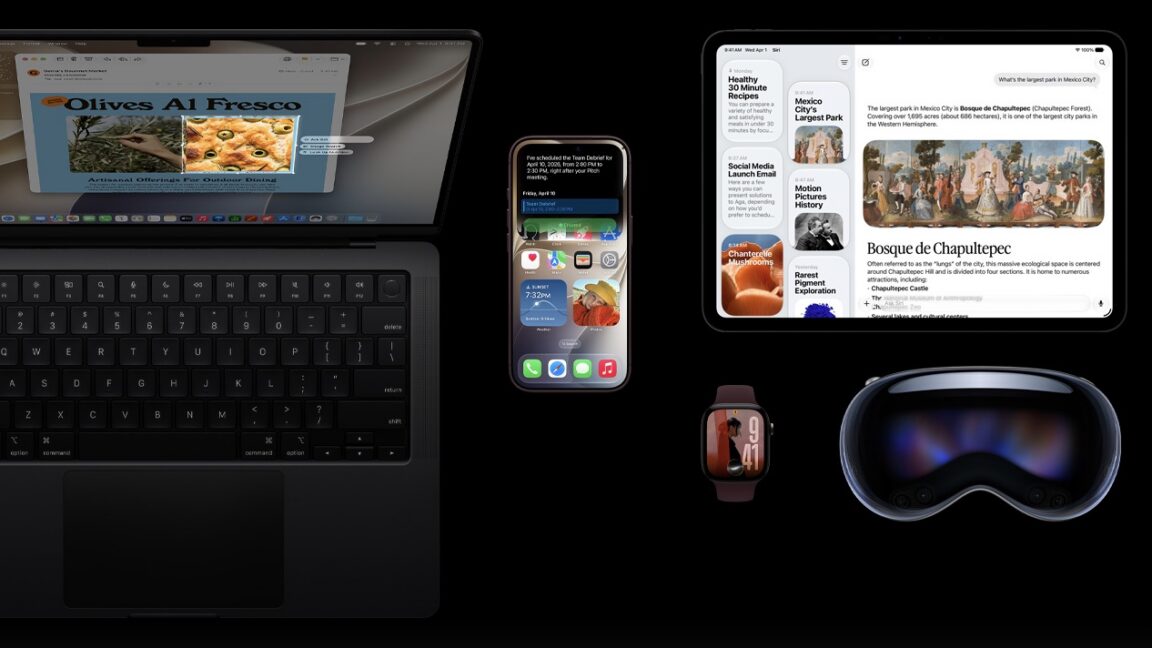
Apple's latest operating system releases, iOS 27 and macOS Golden Gate 27, mark a significant milestone with the integration of Siri AI and Liquid Glass refinements. The incorporation of AI into Siri is expected to enhance user experience, enabling more intuitive and personalized interactions. For app developers, this means opportunities to create more sophisticated and AI-driven applications that can seamlessly integrate with Siri.
The decision to phase out Rosetta support for Intel apps in macOS Golden Gate 27 is also noteworthy. As Apple continues its transition to Apple Silicon, this move signals a major step towards a unified ecosystem. For app developers, this change necessitates updating their apps to be compatible with the new architecture, ensuring a smooth user experience. The end of Rosetta support may present challenges, but it also encourages innovation and optimization of apps for the latest hardware.
As the industry shifts towards AI-driven interfaces and native apps, the next thing to watch is how developers leverage these new OS features to create innovative apps. The success of iOS 27 and macOS Golden Gate 27 will depend on the quality and diversity of apps available, and it will be interesting to see how developers utilize Siri AI and Liquid Glass to push the boundaries of app functionality and user experience. The upcoming developer conferences and updates will likely provide more insights into the tools and opportunities available for creating next-generation apps.
Originally reported by arstechnica.com. AppNewsletter adds analysis for ai & agent economy readers.